
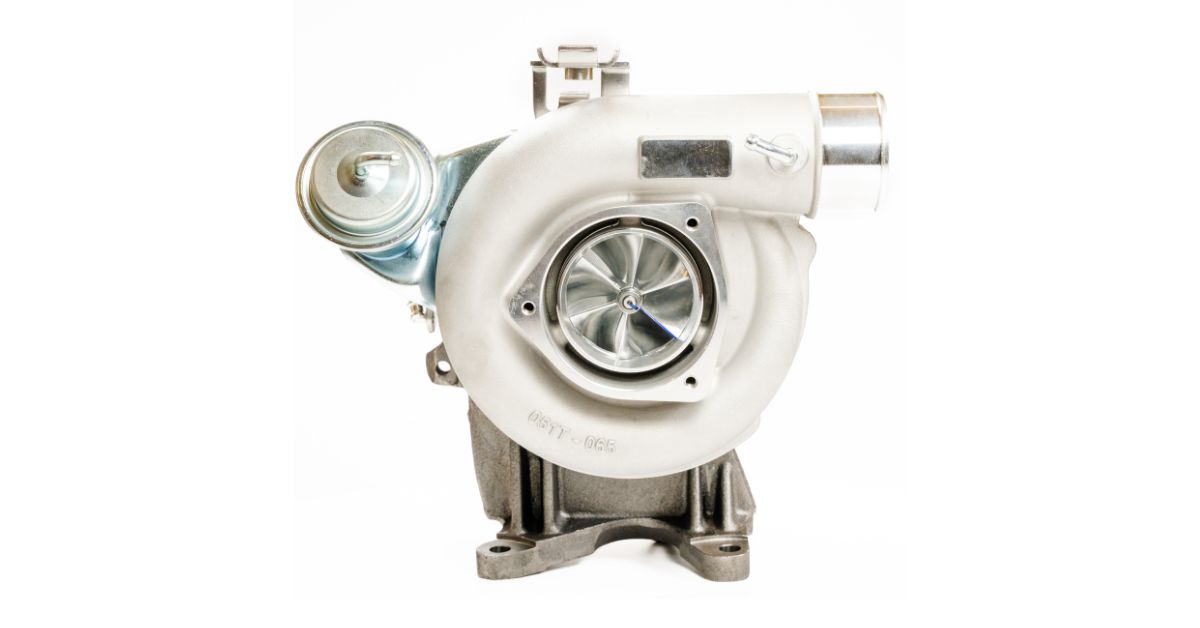
Factors That Impact the Fuel Efficiency of Your Turbocharger
A turbocharger isn’t just for speed enthusiasts; it’s a precision-engineered tool that transforms how engines deliver power and efficiency. Turbochargers have become essential in vehicles ranging from heavy-duty trucks to sleek sports cars by striking a balance between performance and fuel economy. However, their efficiency isn’t set in stone, as factors such as engine tuning, driving habits, and others impact fuel efficiency rates.
Ahead, we’ll break down the top factors that impact the fuel efficiency of your turbocharger. Find out how to get the most out of your engine and hit the road with confidence!
Engine Tuning and Calibration
Engine tuning and calibration refer to the process of adjusting and optimizing an engine’s performance parameters to achieve a desired balance of power, efficiency, and reliability. Professionals fine-tuning engines may adjust areas such as ignition timing, air-fuel ratio, or throttle response to enhance the vehicle’s fuel efficiency.
A turbocharger operates at its best with optimal engine tuning. For example, the efficiency of the turbocharger and vehicle decreases if the air-fuel ratio isn’t properly balanced; calibration ensures that the turbocharger and engine work harmoniously.
Air Quality and Intake
Air quality and intake for a car refer to the condition and flow of the air that enters the engine for combustion. In an internal combustion engine, air mixes with fuel to create the explosion that powers the vehicle. Ideally, the intake should be unobstructed to ensure that air flows through properly, enabling effective combustion.
The turbocharger engines compress the air, increasing the oxygen available for combustion, which in turn boosts power and efficiency. However, poor air quality or issues with the filter lead to inefficiency.
Pro Tip
Since dust and debris particles can decrease fuel efficiency and damage the turbocharger, make sure you regularly replace your air filter. Refer to your vehicle’s manual or consult a mechanic for guidance if you’re unsure when to replace the filter.

Regular Maintenance
Your truck and turbocharger rely on numerous components to work correctly, and areas will break down if you don’t take care of them. The turbo is less likely to function correctly when specific parts, such as blades, bearings, or seals, wear out. This issue can lead to oil leaks or clogged intercoolers, resulting in issues with fuel efficiency.
Follow the manufacturer’s maintenance schedule to address these concerns proactively. Take your vehicle to a mechanic if you notice leaks, unusual sounds, or changes in its operation. It’s always best to address an issue as soon as something feels off rather than waiting to see if it resolves on its own.
Driving Habits
Another factor that impacts the fuel efficiency of your turbocharger lies in the way you drive. Constantly slamming on the accelerator and making frequent hard gear shifts push the turbo to work harder, leading to more fuel consumption.
For example, suppose you stop at a red light and accelerate aggressively when the light turns green. In that case, you force your turbocharger to work much harder than it would if you gradually accelerated. Such driving habits can lead to increased fuel consumption and put more strain on your engine, which can cause long-term damage.
Additionally, driving at high speeds for extended periods can also put a strain on your turbocharger because moving at higher speeds puts more pressure on your engine. This increased pressure puts more strain on the turbocharger to boost air intake to maintain acceleration.
Quality of Fuel
The type of fuel you use also impacts performance, and most trucks rely on diesel. The quality of diesel can vary greatly, depending on factors such as the refining process and additives used. Low-quality diesel can contain impurities that can clog your fuel filter and reduce engine performance.
It is essential to use a high-quality diesel that meets the specifications your truck’s manufacturer recommends to ensure optimal performance. Their recommendations will improve overall engine performance and extend the life of your engine and other components.

Oil Quality and Lubrication
A turbocharger relies on the engine’s oil system for proper lubrication, as it spins at an astonishing speed of up to 200,000 revolutions per minute (RPM). High-quality, clean oil is crucial for reducing friction and managing the intense heat generated during operation.
Low-quality or contaminated oil circulating through the system can increase wear and tear on the bearings and other critical turbocharger components, potentially straining the engine. Low-quality or contaminated oil can reduce the overall efficiency of the turbocharger and the engine over time, resulting in higher fuel consumption and more costly repairs.
Exhaust System Efficiency
Your vehicle’s exhaust system manages and directs the gases produced during the engine’s combustion process. Its primary purpose is to safely expel these gases, reduce harmful emissions, and minimize noise while optimizing engine performance.
Back pressure can build up in poorly designed exhaust systems, which reduces your turbo’s ability to expel gas. Therefore, consider upgrading to a high-flow exhaust system, as it can increase your engine’s horsepower and torque by allowing for more efficient gas flow.
Vehicle and Engine Brand
The turbocharger you purchase must align with your vehicle’s make and model, as engines have specific requirements. A mismatched turbocharger might fail to work harmoniously with your engine, forcing it to work harder and burn more fuel. Over time, this mismatch can strain engine components, resulting in decreased performance and potentially costly repairs.
For instance, you cannot buy a turbocharger designed for a Dodge Ram if you drive a Ford since both rely on different engine brands. While Fords use EcoBoost engines, Dodge Rams have Cummins diesel engines, and both require different turbocharger designs.
Turbocharger Sizing
Turbo size directly impacts performance, as it should align with your engine’s size and model. You force your engine to work harder and use more fuel if you buy a turbo that’s too small for the power outputs you want. On the other hand, a larger or oversized turbocharger can cause “turbo lag.” This means there will be a delay in power delivery as the turbo spools up to provide boost pressure.
Understanding the basics of turbocharger sizing is important to avoid these issues. This understanding also involves determining your engine’s displacement and horsepower requirements, as well as understanding how different turbo sizes affect performance. Contact a reputable turbo shop that can help you find the right option or custom-build one for you if you’re unsure about what to purchase.
Shop for Quality Turbochargers
Quality makes all the difference in performance and longevity when it comes to turbochargers. Well-made turbochargers rely on parts that can withstand high temperatures and pressures, ensuring durability and efficient operation.
Titan Turbo Service sells Ford 6.7L powerstrokes and other options that you can buy for your vehicle. We take a hands-on approach with all our customers and can custom-make turbochargers if needed. Browse our range of expertly designed turbochargers to find the perfect fit for your vehicle and elevate your driving experience with confidence.