
How To Solve Common Ford 7.3 Powerstroke Problems
It’s no secret that your Ford 7.3 Powerstroke is a powerhouse, but even legends have their quirks. Over time, your truck may begin to leak oil, fail to start, or experience other issues. While the 7.3 Powerstroke is durable, it’s not invincible, and ignoring issues with your vehicle can snowball into costly repairs. In this guide, we’ll highlight several common problems with the Ford 7.3 Powerstroke and how to solve them.
Hard Starting or No Start
If your engine struggles to start or cannot start at all, there may be an issue with the glow plug system, low fuel pressure, or a failing high-pressure oil pump (HPOP). Keep in mind that this doesn’t mean the truck itself won’t turn on; if the entire vehicle fails to start, then there may be an issue with the battery.
The cause of this issue can vary, as frigid temperatures can sometimes affect the performance of the glow plugs, or there may be an issue with the fuel filter or HPOP. Likewise, if the truck is struggling to accelerate, it may be due to a clogged air filter, failing turbocharger, or malfunctioning fuel injectors.
Solution
Test your glow plugs with a multimeter to ensure they’re functioning correctly. Replace any faulty glow plugs as needed. Next, inspect, clean, and replace the fuel pump and fuel filter to improve fuel flow and pressure. If the problem persists, it may be necessary to replace the HPOP.
Excessive Black Smoke
Seeing black smoke billowing from your exhaust would alarm any driver. The first thing you should do is pull over and turn off your truck. Ignoring the issue can result in further damage to your engine and could potentially cause a fire.
Often, black smoke coming from your engine can occur if the air filter is clogged, you have faulty injectors, or there are issues with the turbocharger. For example, if the air filter is dirty or clogged, it can restrict the airflow into your engine and cause an imbalance in the fuel-to-air ratio. This can result in excessive black smoke emitting from your exhaust.
Solution
Begin by checking the air filter and replacing it if it’s dirty. Most automotive experts recommend replacing it every 10,000 to 15,000 miles, but you may need to do so more frequently if you drive in dusty or dirty environments. You may also need to replace the injectors if they fail to function properly and inspect your turbocharger for signs of excessive wear or damage.
Pro Tip
Ensure you diagnose the cause of the black smoke before ordering any replacement parts. If you’re unsure of the reason, always go to a mechanic for professional assistance.

Overheating
If your engine overheats, you may experience other issues, such as difficulty starting or smoke emanating from the engine. If the Ford 7.3 Powerstroke overheats, it could lead to engine failure, which can be very costly to repair.
Engines often overheat when there is a lack of coolant or when the cooling system malfunctions. In other words, if your radiator becomes clogged or your water pump fails, there’s no way to cool the engine, which leads to overheating.
Solution
Begin by flushing the cooling system to remove sediment and debris that may have built up over time. From here, you can inspect the radiator for any signs of clogs or leaks and take the necessary steps to clean or replace it as needed. Finally, replace the thermostat or water pump if they are showing signs of wear or failure.
Oil Leaks
If your truck begins leaking oil, you’ll notice it quickly because a pool of oil will form underneath your vehicle. This is a sign that there is an issue with the gaskets or seals in your engine, which can lead to serious problems if left unaddressed.
Solution
You can resolve this common Ford 7.3 Powerstroke issue by thoroughly cleaning the engine to remove existing oil residue. This will help identify where the oil is leaking from as new seepage forms. Replace worn or damaged seals and gaskets for valve covers and the oil pan.
Injector Control Pressure Sensor Failure
A failing injector control pressure (ICP) sensor can disrupt fuel delivery, leading to rough idling, stalling, or even an inability to start your engine. Since this sensor plays a crucial role in maintaining proper engine operation, it is essential to address any problems promptly.
Over time, degraded or dirty oil can allow contaminants to damage the sensor’s internal components, causing inaccurate readings. Additionally, constant exposure to high-pressure oil, intense heat, and engine vibrations gradually wear down the sensor, affecting its performance.
Solution
Start by using a multimeter to test the ICP sensor for proper voltage, as outlined in your vehicle’s service manual. If the readings reveal a malfunction, replace the sensor to restore proper fuel injection. Inspect the sensor’s wiring for visible damage or corrosion, and repair or replace damaged wiring to ensure accurate communication with the engine control system.
Turbocharger Failure
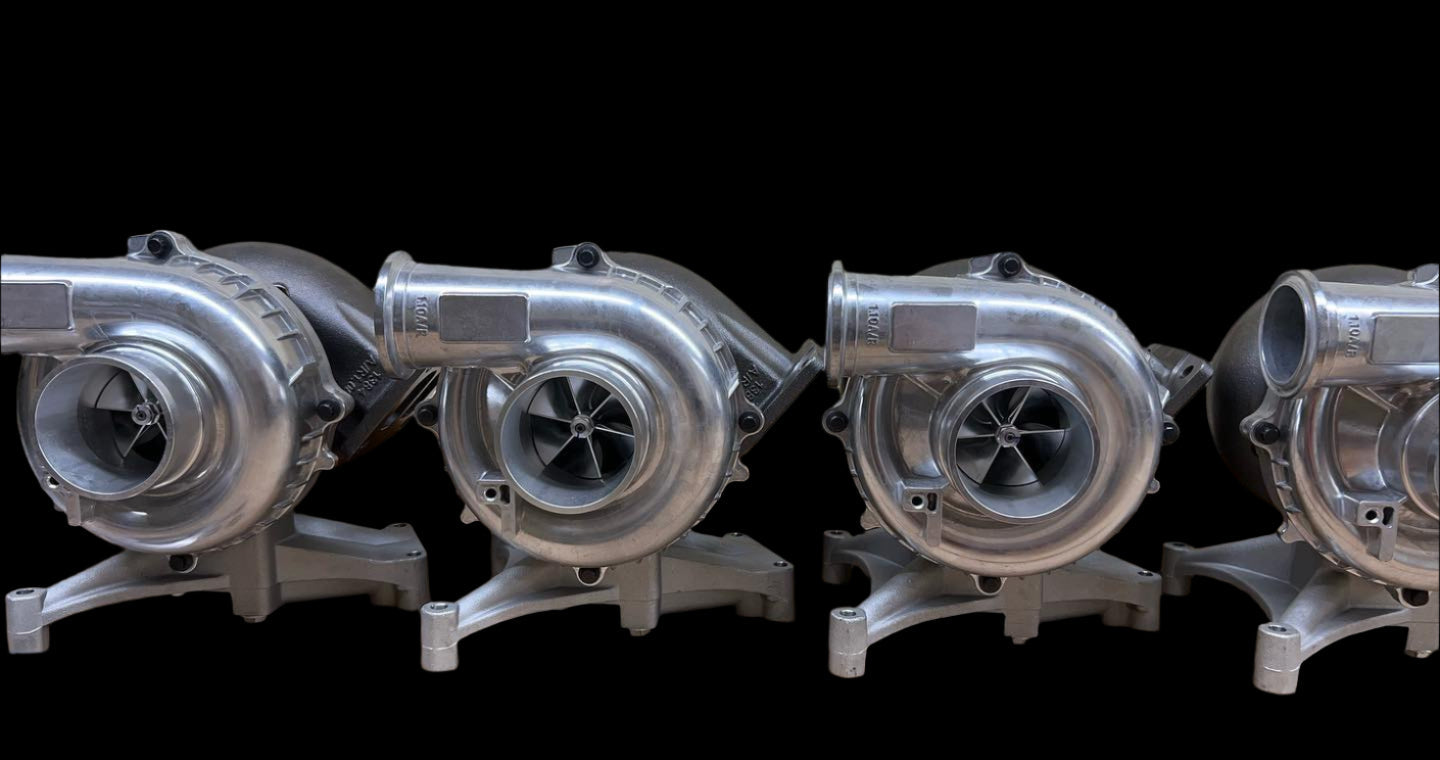
The turbocharger is a vital part of your engine, designed to boost power output and enhance fuel efficiency. Eventually, it can fail due to wear, poor maintenance, or oil-related issues. A common cause of failure is a clogged oil system, often resulting from irregular oil changes or the use of the wrong oil type. Turbochargers need a steady flow of clean synthetic oil for proper lubrication; without it, they can overheat or suffer severe damage.
Solution
Check the turbocharger for physical damage, such as cracks, worn seals, or broken blades, and test for excessive play in the shaft. If debris or buildup is present, clean the unit to restore its functionality. However, if the problem persists, replace the 7.3 Powerstroke turbocharger with a new or refurbished unit. Prevent future failures by ensuring the turbo receives adequate clean oil through regular synthetic oil changes and proper vehicle maintenance.
Preventative Maintenance Tips
Routine maintenance is crucial in preventing many of the issues outlined above. When you take good care of your vehicle, you’re more likely to notice something’s off before it becomes a big problem. Here are some preventative maintenance tips to keep your vehicle running smoothly:
- Regularly changing the oil: If you use synthetic oil, you should get it changed every 7,000–10,000 miles.
- Replacing air and fuel filters: These filters can become clogged over time and should be replaced every 30,000 miles or so.
- Checking and replacing belts: Belts can wear out over time, leading to issues such as slipping or squeaking. Inspect them regularly and replace them as needed.
- Cleaning the intercooler and radiator: Dirt and debris can accumulate in these components, impairing their ability to cool the engine. Regular cleaning can help prevent overheating.
By keeping a close eye on engine performance and addressing minor problems early, you will prevent most major failures.
Bonus: Buy Quality Parts
Using quality parts is equally important to ensure the reliability and longevity of your Ford 7.3 Powerstroke. Titan Turbo sells top-quality turbochargers and can custom-design solutions. Plus, our team has unmatched industry expertise in designing and manufacturing turbochargers. Get the best turbocharger to upgrade your vehicle!