
The Benefits of Hot and Cold Testing for Turbochargers
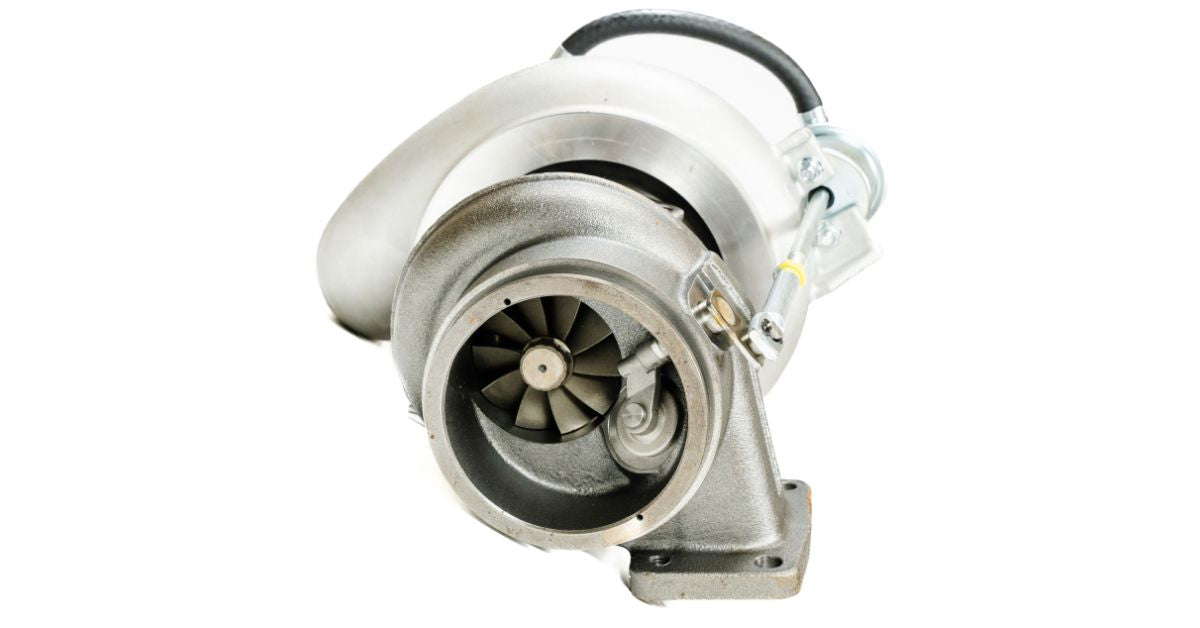
A turbocharger boosts a vehicle’s engine performance by forcing more air into the combustion chamber, which increases power during drives. This component is essential for achieving increased speed and horsepower in your car or truck.
Turbochargers must go through rigorous testing to prove their reliability, efficiency, and performance under diverse operating conditions. Most turbochargers undergo two types of testing—hot and cold—to confirm that they are safe for use on the road. This blog examines the benefits of hot and cold testing for turbochargers.
Benefits of Hot Testing
Hot testing evaluates the performance, durability, and reliability of turbochargers under conditions similar to those in the real world. This means subjecting the component to high pressures and temperatures to assess its performance.
Generally, experts conduct hot testing by mounting the turbocharger onto a specialized test rig that can replicate real-world conditions, exhaust gases, or alternative heat sources. Engineers assess how the turbocharger handles thermal stress, heat cycling, and prolonged operation. This rigorous testing process helps them identify weak points, optimize performance, and ensure that the turbocharger operates safely during drives.
Here are the benefits of hot testing turbochargers:
Evaluate the Turbocharger Under Stress
Hot testing replicates conditions where the turbocharger will endure significant thermal and mechanical loads. These tests subject the turbo to high temperatures and pressures that mimic those in engines operating under heavy loads or extreme driving conditions. Knowing how much stress the turbocharger can endure confirms that it can deliver full power output while maintaining appropriate temperatures, a critical factor for fuel efficiency and emissions compliance.
If the component fails the test, it may indicate that it cannot handle the stress required to deliver the horsepower it’s rated for.
Mimicking Real-World Conditions
Another benefit of hot-testing turbochargers is that they simulate real-world engine conditions. During regular driving, engines face various scenarios:
- If it’s a hot day, the engine will naturally become hotter.
- Stop-and-go traffic or prolonged idling can cause the engine to overheat.
- The faster you go, the more heat your engine generates.
- Towing puts extra strain on the engine, which in turn increases its temperature.
- Going uphill or driving on rough terrain can cause the engine to work harder.
Turbochargers should handle high and fluctuating temperatures with ease since they face constant stress during operation. If the turbocharger cannot handle high temperatures, it could damage the engine or catch fire.

Detects Flaws To Boost Durability
Hot testing also helps manufacturers identify design flaws that could compromise system performance or lead to premature failure. By exposing components to real-world stresses, it becomes easier to identify weaknesses or inconsistencies in the design and make necessary adjustments.
Moreover, hot testing allows for the collection of temperature readings and system responses that experts can use to optimize the design and improve durability. Engineers incorporate this data into future designs to create more efficient and reliable systems. Doing this before the product hits the market ensures that customers get a product that will last.
Benefits of Cold Testing
Cold testing evaluates the performance, reliability, and adaptability of turbochargers under low-temperature conditions. Unlike hot testing, which focuses on high heat and pressure, cold testing exposes the turbocharger to freezing or sub-zero temperatures. It simulates real-world cold starts and extreme winter driving scenarios, where engines must perform reliably despite the challenges of frigid conditions.
To conduct cold testing, engineers usually place the turbocharger in a controlled environment, such as a climate chamber, where they can simulate freezing temperatures. During the test, they monitor various metrics, including how quickly the turbocharger spools up despite the low temperatures and how effectively lubrication systems function when oil thickens. Another observation is whether material contraction causes performance inconsistencies.
Here are the benefits of cold testing:
It’s Highly Efficient
Cold testing is an efficient method for determining the functionality and assembly accuracy of turbochargers. Experts use plant air pressure during testing, which is easy to set up and allows them to check numerous turbochargers in a short period. On the other hand, hot testing can be time-consuming and expensive, as it involves testing the cell and fuel combustion.
Precisely Detects Defects
One of the strengths of cold testing lies in its ability to make defects apparent. The technique incorporates advanced diagnostic tools and sensors to evaluate parameters such as alignment, balance, and structural integrity. By monitoring these factors in a controlled environment, engineers can ensure that only fully functional components proceed to the next stage of the manufacturing process.
A Bonus: Detects Leaks
A turbocharger may have leaks that allow excess air or oil to seep out. A leak can negatively affect the performance of a turbocharger, leading to inefficient combustion, reduced power output, and potential engine damage.
Environmentally Friendly
Cold testing is also eco-friendly because it does not require fossil fuels, unlike hot testing. Likewise, cold testing does not produce emissions during the process, as it relies on controlled environments rather than combustion-based systems. Cold testing reduces waste and minimizes the need for repeated manufacturing or redesigns.

Which Is Best?
After exploring the benefits of hot and cold testing for turbochargers, you may wonder which one is best. Should you look for turbochargers that went through one type of testing over another? The truth is that both approaches are equally important and provide a comprehensive evaluation. Hot testing excels at verifying the performance, durability, and real-world applicability of turbochargers under stress. In contrast, cold testing focuses on identifying assembly flaws and confirming baseline functionality.
Auto parts manufacturers are aware of this and often incorporate both types of testing to achieve comprehensive validation. Each method addresses different aspects of turbocharger reliability and performance, creating a multi-layered evaluation process that ensures every component is fit for purpose.
Shop for Turbochargers
Titan Turbo Service offers Cummins turbochargers that will enhance the horsepower of your vehicle. We design all our turbochargers in-house and collaborate with American manufacturers to produce the highest-quality products. Get your turbocharger from a company that’ll work closely with you throughout the process and give you exactly what you need.