
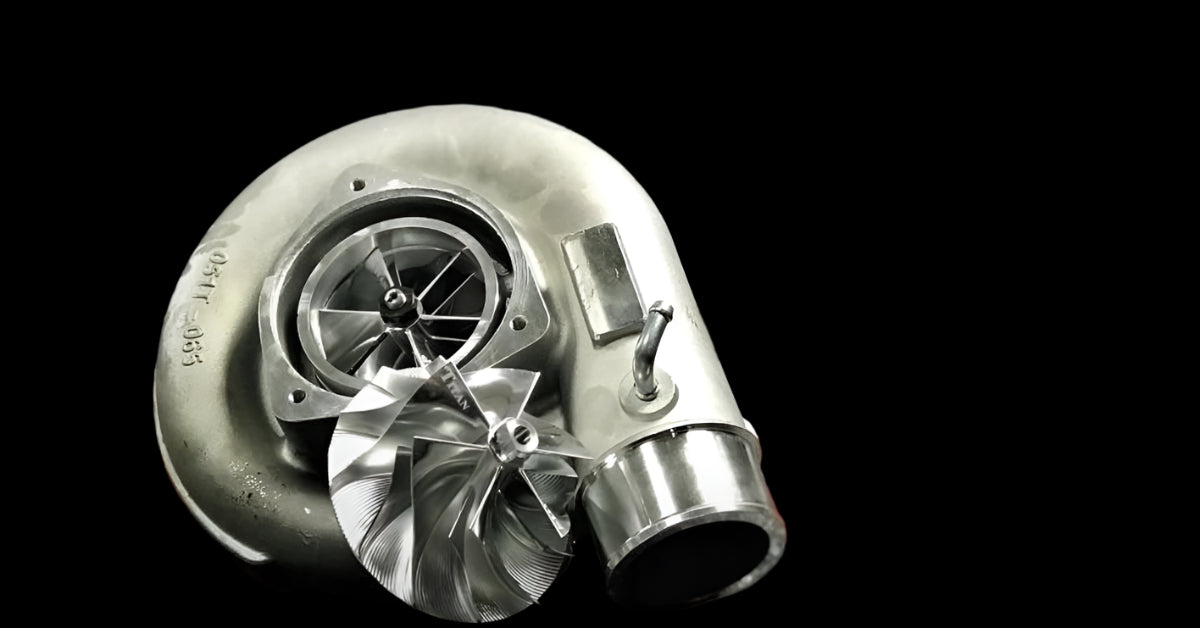
What Type of Oil To Use for Turbocharged Engines
All vehicles require oil changes at least once a year to keep the engine running smoothly and efficiently. However, routine oil changes using the correct type of oil are even more important for turbocharged engines. Turbocharged engines have higher performance and operate at higher temperatures, which puts extra stress on the engine and its components.
Using the wrong kind of oil can have serious consequences, including reduced efficiency, increased wear, and even significant engine damage. Below, we explain the best type of oil to use for turbocharged engines to keep your truck performing at its best.
Why Does Oil Type Matter for Turbocharged Engines?
Turbochargers are one of the most popular methods for enhancing power and performance in modern engines. They generate more heat as they push more air into the engine to boost speed, putting strain on the engine over time.
Engine oil plays a crucial role in keeping the engine lubricated and cool, preventing excessive wear, overheating, and potential damage to engine components. Using the right oil ensures that the turbocharger and engine operate efficiently, extending their lifespan and maintaining optimal performance. Here are some of the top reasons oil type is so important.
Lubrication for High-Performance Parts
Turbocharged engines operate at much higher speeds than their non-turbo counterparts, with the turbocharger spinning at tens of thousands of revolutions per minute. All these moving parts require proper lubrication to reduce friction and prevent metal-on-metal contact.
Heat Management
Heat management is one of the biggest challenges in maintaining a turbocharged engine. Turbochargers work by compressing air, which naturally generates a lot of heat. This added thermal load requires oil that can maintain its stability under extreme temperatures. The right type of oil resists breakdown and retains its protective qualities even in severe operating conditions.
Protection Against Wear and Tear
Turbocharged engines are more prone to wear and tear due to their demanding nature. Over time, soot, dirt, and combustion byproducts can accumulate within the engine. By adding oil with superior anti-wear properties, such as zinc and phosphorus compounds, the engine receives enhanced protection against metal-to-metal contact and potential damage.

The Oil To Use
Turbochargers typically come with specifications or recommendations for the appropriate oil to use, as not all oils are created equally. Some oil types may not be suitable for turbocharged engines. It’s best to use a synthetic oil since it can withstand the high pressures and temperatures turbochargers produce.
Synthetic oils are also less likely to degrade or break down over time, which means they can provide better protection for your engine and turbocharger in the long run. For example, most mechanics recommend getting an oil change every 3,000-5,000 miles to avoid damage if you use conventional oil. However, you can go up to 7,000-10,000 miles between oil changes if you use synthetic oil. Using a synthetic oil from the start not only saves you time and money but also reduces your vehicle’s environmental impact.
Moreover, synthetic oils can resist sludge formation, further enhancing engine efficiency. This resistance reduces the risk of oil clogging critical passages under high-stress scenarios, such as racing or towing heavy loads. Additionally, synthetic oils are known for their ability to maintain viscosity across a wide temperature range, further ensuring optimal performance. This unique combination of features makes synthetic oil the clear choice for turbocharged engines.
The Problem With Conventional Oils
Conventional oils lack the properties required to perform optimally in a turbocharged environment. These oils are more prone to thermal breakdown under extreme heat, leading to a loss of lubrication and an increase in sludge formation. Since turbochargers create significant heat, conventional oil can quickly degrade, which means frequent oil changes or risking damage to your truck.
Why Not Leave the Oil?
Allowing conventional oil to degrade is never a good idea, as it leads to sludge buildup and reduced lubrication and can damage your turbocharger or engine. Not only does this damage lead to expensive repairs, but it can also leave your vehicle out of commission for a few days.
Evaluate Viscosity Grades
Consider the viscosity grades of each option when selecting the type of oil to use for your turbocharged engine. Viscosity refers to a fluid’s resistance to flow, which affects how well the oil can lubricate and protect engine components under different temperatures and operating conditions.
Experts use a system to measure viscosity, such as 5W-30 or 10W-40. The first number reflects the oil’s performance at low temperatures, while the second number indicates the oil’s ability to maintain viscosity under heat.
Turbocharged engines require oil that flows well during cold starts and remains stable under high temperatures. Engines operating in colder climates may benefit from a 5W-grade oil to ensure smooth flow during startups. Conversely, those exposed to intense heat may require a higher viscosity grade, such as 40, to provide sufficient lubrication during operation.

Understanding API and ACEA Standards
Standards established by the American Petroleum Institute (API), the Association des Association des Constructeurs Européens d'Automobiles (ACEA), and similar organizations ensure that turbocharger oils meet specific performance thresholds.
Using uncertified oils poses a significant risk to engines. Oils that fail to meet these standards may lack the resilience needed to protect components under stress, leading to increased wear and potential failure. Certified oils also ensure compatibility with modern turbo systems, which operate differently from traditional engines.
Pro Tip
Verify whether the automaker of your vehicle recommends a specific standard of oil, such as WSS-M2C, for certain Ford models. You can find this information in your vehicle’s user manual.
Contact Manufacturers
It’s always best to ask the manufacturer of your turbocharger if you’re unsure which type of oil you should buy for your specific turbocharged engine. Industry professionals can recommend specific types or products, so you know exactly what to look for. Likewise, they’ll know which oil brands and grades work well with their turbocharger models.
You can also reach out to your automotive manufacturer or mechanic to determine which options are safest for your engine. The synthetic oil you use should be compatible with the turbocharger and your engine for optimal results.
Shop for Top-Quality Turbos
Upgrade your engine’s performance with the best in the business! Titan Turbo Service carefully crafts each of our turbos to match our customers’ goals for improved horsepower. Products such as our 6.0 powerstroke turbo replacement will give your vehicle that needed boost!
With industry-leading expertise and unmatched customer service, Titan Turbo Service is your trusted partner for turbocharging solutions. Don’t settle for less—shop now and give your vehicle the boost it deserves!