
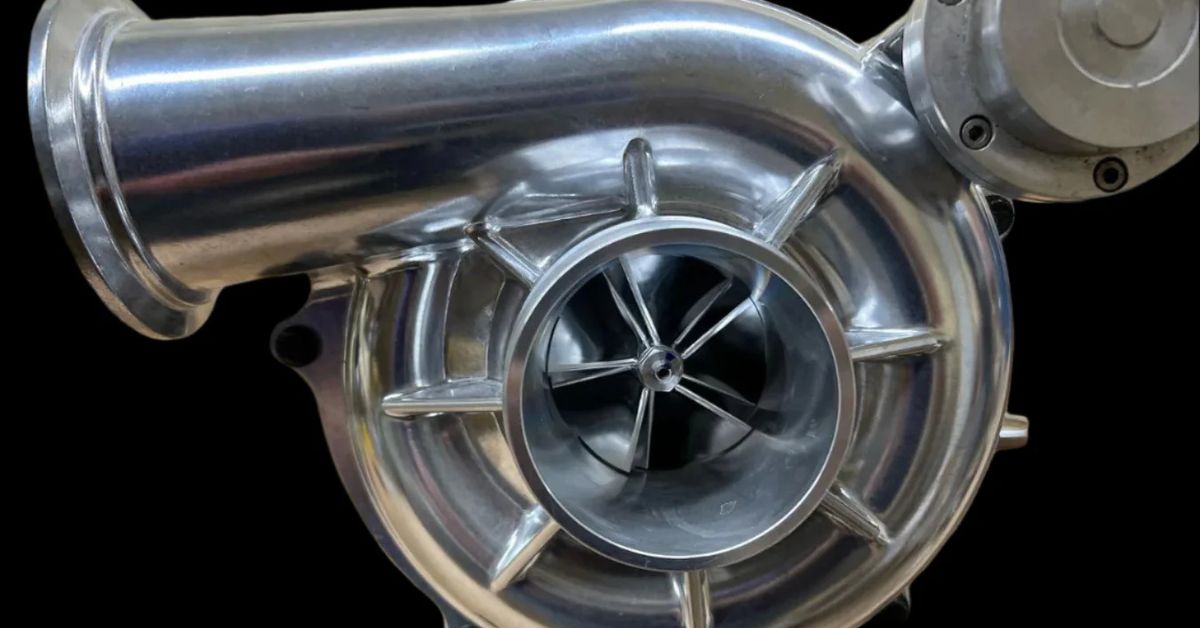
12 Ways To Improve Your Turbocharger’s Performance
Turbochargers have revolutionized the automotive industry by allowing smaller engines to produce more power while maintaining efficiency. These remarkable devices force more air into your engine’s combustion chamber, creating a more powerful explosion and increased horsepower. However, many vehicle owners don’t realize that they can significantly enhance their turbocharger’s performance through various modifications and maintenance practices.
Understanding how to optimize your turbocharger’s performance is essential for maximizing your vehicle’s potential. These twelve ways to improve your turbocharger’s performance will help you extract more power from your engine while maintaining reliability, whether you’re driving a sports car, truck, or performance sedan. The following methods range from simple maintenance procedures to more advanced modifications that can transform your driving experience.
Regular Oil Changes and Quality Lubricants
Your turbocharger operates at extremely high speeds, often exceeding 100,000 RPM. This intense operation requires proper lubrication to prevent bearing damage and maintain smooth operation. Using high-quality synthetic oil and changing it at recommended intervals ensures your turbocharger receives the protection it needs.
Quality lubricants contain additives that resist breakdown under extreme temperatures and pressures. These oils maintain their viscosity better than conventional alternatives, providing consistent protection for your turbocharger’s internal components. Regular oil changes also remove contaminants that can damage delicate turbocharger bearings and seals.
Upgrade Your Air Filter System
A high-performance air filter allows your turbocharger to breathe more freely, reducing restriction and improving overall efficiency. Stock air filters often prioritize longevity over performance, creating unnecessary resistance that limits your turbocharger’s ability to compress air effectively.
Performance air filters feature advanced filtration media that capture contaminants while allowing maximum airflow. These filters often last longer than stock alternatives, and you can clean and reuse them, making them practical and performance-oriented. The improved airflow directly translates to better turbocharger efficiency and increased power output.
Install a Cold Air Intake
Cold air is denser than warm air, containing more oxygen molecules per cubic inch. A cold air intake system relocates your air filter away from engine heat sources, drawing cooler air from outside the engine bay. This modification provides your turbocharger with denser air to compress, resulting in more powerful combustion.
Cold air intake systems typically feature larger diameter piping and smoother airflow paths compared to stock intake systems. These design improvements reduce turbulence and restriction, allowing your turbocharger to work more efficiently. The combination of cooler, denser air and improved flow characteristics creates noticeable performance gains.

Optimize Your Exhaust System
Exhaust flow plays a crucial role in turbocharger performance. The exhaust gases that spin your turbocharger’s turbine must exit efficiently to maintain optimal boost pressure. Restrictive exhaust systems create backpressure that reduces turbocharger efficiency and limits power production.
A well-designed exhaust system features appropriately sized piping, smooth bends, and high-flow catalytic converters. These components work together to reduce exhaust restriction while maintaining proper scavenging effects. The improved exhaust flow enables your turbocharger to spool more quickly and maintain higher boost pressures across the entire RPM range.
Implement an Intercooler Upgrade
Turbochargers compress air, which generates heat as a byproduct. Hot air is less dense than cool air, reducing the effectiveness of the turbocharging process. An intercooler cools the compressed air before it enters your engine, increasing its density and improving combustion efficiency.
Upgraded intercoolers feature larger core sizes and more efficient heat exchange designs compared to stock units. These improvements result in lower intake air temperatures, which directly translate to more power and reduced risk of engine knock. The cooler intake air also allows for more aggressive tuning strategies without compromising engine reliability.
Maintain Proper Boost Pressure
Your turbocharger’s boost pressure should remain within the manufacturer’s specifications to ensure optimal performance and reliability. Too little boost reduces power output, while excessive boost can damage engine components. Regularly monitoring boost pressure can help you identify potential issues before they become costly problems.
Boost pressure irregularities often indicate problems with wastegate operation, vacuum lines, or intercooler piping. Promptly addressing these issues prevents performance degradation and potential engine damage. Maintaining proper boost pressure ensures your turbocharger operates in its optimal efficiency range.
Keep Your Turbocharger Clean
Carbon buildup on turbocharger components reduces efficiency and can cause mechanical problems. Regular cleaning removes these deposits, restoring optimal airflow and preventing premature wear. The turbine and compressor wheels are particularly susceptible to carbon accumulation, which affects their aerodynamic efficiency.
Specialized turbocharger cleaning products dissolve carbon deposits without damaging delicate components. Regular cleaning intervals depend on driving conditions and fuel quality, but most turbocharged engines benefit from periodic cleaning. This maintenance practice extends the turbocharger’s life while maintaining peak performance.
Check and Replace Vacuum Lines
Turbochargers rely on vacuum lines to control boost pressure and wastegate operation. Cracked or loose vacuum lines can cause boost leaks, reducing performance and triggering the check engine light. Regular inspection of these lines prevents performance issues and ensures proper turbocharger operation.
Vacuum lines deteriorate over time due to heat exposure and engine vibration. Replacing aging lines with high-quality alternatives prevents unexpected failures and maintains consistent boost pressure. This simple maintenance task often resolves performance issues that owners attribute to more serious problems.
Monitor Exhaust Gas Temperatures
Excessive exhaust gas temperatures can damage turbocharger components and reduce their lifespan. Monitoring these temperatures can help you identify potential issues and prevent costly repairs. High exhaust temperatures often indicate lean air-fuel ratios, ignition timing problems, or excessive boost pressure.
Temperature monitoring systems provide real-time feedback that helps drivers avoid operating conditions that can be damaging. Many modern vehicles include exhaust temperature sensors as part of their engine management systems. Understanding these temperatures can optimize performance while maintaining reliability.
Perform Regular Turbocharger Inspections
Visual inspections reveal potential problems before they cause significant damage. Checking for oil leaks, unusual noises, or excessive shaft play can help you identify issues early. Regular inspections are particularly important for high-mileage vehicles or those operating under severe conditions.
Turbocharger inspections should include checking oil supply and return lines, examining the compressor and turbine housings for damage, and verifying proper wastegate operation. These inspections can help you identify wear patterns and potential failure points before they result in catastrophic damage.

Consider Professional Tuning
Engine tuning optimizes the relationship between your turbocharger and engine management system. Professional tuners can adjust fuel delivery, ignition timing, and boost control to maximize performance while maintaining reliability. This process often reveals significant power gains that were previously hidden by conservative factory settings.
Modern engine management systems provide extensive tuning capabilities that can significantly enhance your vehicle’s performance characteristics. Professional tuners understand the complex interactions between turbocharger operation and engine parameters. Their expertise ensures modifications work together harmoniously rather than creating conflicting demands on your engine.
Upgrade Supporting Components
Fuel injectors, fuel pumps, and ignition systems must be capable of supporting increased power output. Upgrading these components ensures your engine can take full advantage of improved turbocharger performance.
High-performance fuel injectors deliver precise fuel metering under increased boost pressure conditions. Upgraded fuel pumps maintain consistent fuel pressure even under high-demand situations. Performance ignition systems provide strong spark energy, ensuring the complete combustion of the increased air-fuel mixture that your improved turbocharger provides.
A 7.3 PowerStroke turbo rebuild kit is essential for maintaining performance and reliability when working with diesel engines. These specialized kits contain precisely manufactured components designed to restore turbocharger performance to factory specifications or beyond.
Maximizing Your Turbocharger’s Potential
These twelve ways to improve your turbocharger’s performance encompass both basic maintenance and advanced modifications that work together to optimize your engine’s forced induction system. Each method contributes to overall performance improvement, but you can achieve the greatest gains by implementing multiple strategies simultaneously.
The key to successful turbocharger performance improvement lies in understanding how each component affects the others. A systematic approach that addresses airflow, fuel delivery, exhaust flow, and engine management creates synergistic effects that exceed the sum of individual modifications.
Regular maintenance forms the foundation of turbocharger performance, while strategic upgrades unlock additional potential. The combination of proper care and thoughtful modifications ensures your turbocharger delivers maximum performance while maintaining long-term reliability.