
The Differences Between Cummins and Duramax Diesel Engines
When truck buyers consider heavy-duty pickups, two diesel engine names consistently dominate the conversation: Cummins and Duramax. Both manufacturers have earned solid reputations for building powerful, dependable diesel engines, yet each brings distinct characteristics to the table. Understanding the differences between Cummins and Duramax diesel engines enables buyers to make informed decisions based on their specific needs, whether they involve hauling heavy loads, towing trailers, or seeking long-term reliability.
Engine Design and Configuration
Cummins takes a different approach to engine design compared to Duramax. The Cummins 6.7-liter engine features an inline-six configuration, which provides inherently balanced operation and smooth power delivery. This straight-six design allows for simpler maintenance access and typically results in longer engine life due to reduced vibration and stress on internal components.
Duramax engines utilize a V8 configuration, currently available in 6.6-liter displacement. The V8 design offers a more compact engine bay footprint and can deliver power more smoothly across a wider range of RPMs. This configuration also tends to provide quicker throttle response during acceleration, making it appealing for drivers who prioritize immediate power delivery.
The fundamental difference in cylinder arrangement affects everything from maintenance procedures to power characteristics. Inline engines, such as the Cummins, often provide better access to components for service, while V8 engines, like the Duramax, can offer more balanced weight distribution within the vehicle’s chassis.
Power Output and Torque Delivery
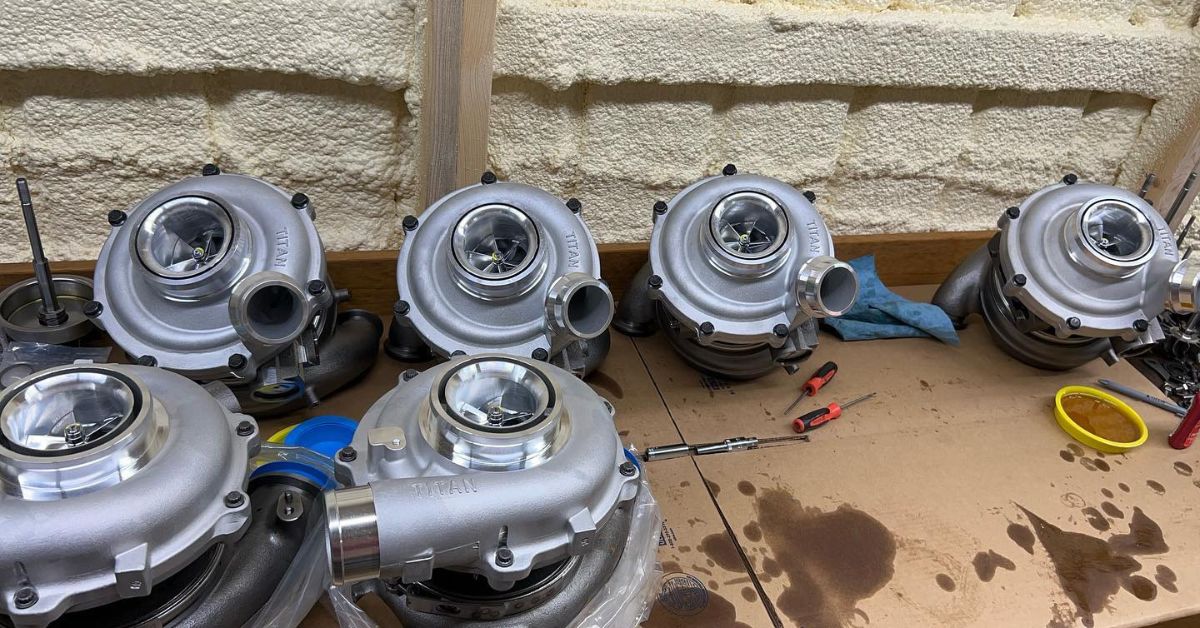
Both manufacturers have focused on delivering impressive power numbers, though they achieve these results through different engineering approaches. Current Cummins 6.7-liter engines produce substantial horsepower and torque figures, with the Cummins turbo system providing efficient boost across a wide range of RPMs. The inline-six design naturally produces strong low-end torque, making it particularly effective for heavy towing applications.
Duramax engines also deliver competitive power figures, often with slightly different torque curves compared to Cummins. The V8 configuration enables different intake and exhaust routing, which can impact how power is delivered throughout the RPM range. Some drivers prefer the Duramax power delivery characteristics for daily driving, while others favor the Cummins approach for maximum towing capability.
Peak power numbers tell only part of the story. The way each engine delivers power throughout its operating range has a significant impact on real-world performance. Cummins engines typically excel in sustained heavy-load situations, while Duramax engines might provide more responsive power for varied driving conditions.

Fuel Economy Considerations
Fuel efficiency is a critical factor for diesel truck buyers, and both Cummins and Duramax have invested heavily in improving the economy of their engines. The approaches differ based on each manufacturer’s engineering philosophy and the specific applications they prioritize.
Cummins engines often achieve excellent fuel economy during highway cruising and heavy towing situations. The inline-six design’s inherent balance, combined with the engine’s combustion characteristics, contributes to efficient fuel usage under load. Many Cummins-powered trucks deliver impressive fuel economy figures when properly maintained and operated within their optimal parameters.
Duramax engines have also made significant strides in fuel efficiency, particularly in mixed driving conditions. The V8 configuration and advanced fuel injection systems optimize combustion for various driving scenarios. Some drivers report that Duramax engines perform particularly well in stop-and-go traffic or varied terrain conditions.
Driving habits, vehicle configuration, and maintenance practices heavily influence real-world fuel economy. Both engines can deliver excellent efficiency when properly maintained and operated correctly.
Maintenance Requirements and Longevity
Long-term ownership costs often depend more on maintenance requirements and engine longevity than initial purchase price. Both Cummins and Duramax have established track records for durability, though their maintenance needs differ in several key areas.
Cummins engines benefit from the inline-six design’s simplicity, which often translates to more straightforward maintenance procedures. Access to components such as fuel filters, oil changes, and other routine service items tends to be easier with the straight-six configuration. Many mechanics appreciate working on Cummins engines due to this accessibility.
Duramax engines require different maintenance approaches due to their V8 design. While some components might be less accessible, General Motors has worked to ensure that routine maintenance remains manageable. The engine’s design incorporates various advanced systems that require specific service procedures and genuine parts for optimal performance.
Both engines benefit from regular maintenance using manufacturer-specified fluids and filters. Diesel fuel quality, operating conditions, and adherence to service schedules significantly impact long-term reliability for both engine types.
Performance Under Load
Towing and hauling capabilities represent primary reasons buyers choose diesel engines over gasoline alternatives. The differences between Cummins and Duramax diesel engines become particularly apparent when examining how each handles heavy loads and demanding operating conditions.
Cummins engines have built a reputation for exceptional performance under sustained heavy loads. The inline-six design’s inherent torque characteristics and robust construction make it well-suited for maximum towing scenarios. Many commercial users prefer Cummins engines for applications that require consistent, heavy-duty operation.
Duramax engines also handle heavy loads effectively, though with different characteristics. The V8 design can provide excellent power delivery for towing, and many drivers appreciate the engine’s responsiveness when accelerating with heavy trailers. The power band and torque delivery might feel different compared to Cummins, but their capability remains impressive.
Load handling extends beyond maximum towing capacity to encompass factors such as transmission integration, cooling system effectiveness, and overall vehicle design. Both engines work well with their respective truck platforms for heavy-duty applications.
Technology Integration and Features
Modern diesel engines incorporate sophisticated technology systems for emissions control, performance optimization, and driver convenience. Both Cummins and Duramax have embraced advanced technologies, though their implementations differ.
Cummins engines feature comprehensive emissions control systems designed to meet current regulations while maintaining performance. The engine management systems monitor various parameters to optimize combustion, fuel delivery, and exhaust treatment. These systems require proper maintenance and high-quality diesel exhaust fluid for optimal operation.
Duramax engines also incorporate advanced technology for emissions compliance and performance optimization. General Motors has integrated these systems with the vehicle’s overall electronic architecture, potentially offering advantages in terms of diagnostics and system integration.
Technology systems in both engines require proper maintenance and occasional updates. Understanding these requirements helps owners maintain optimal performance and avoid costly repairs.

Making the Right Choice
Choosing between Cummins and Duramax engines depends on individual priorities, intended use, and personal preferences. Both manufacturers produce capable, reliable engines that can serve truck owners well for many years.
Consider your primary use case when evaluating options. Heavy towing and commercial applications might favor one engine over another, while mixed-use scenarios could make either choice viable. Test driving trucks with both engines provides valuable insight into how each feels during actual operation.
Maintenance capabilities and local service availability also influence long-term satisfaction. Ensuring access to qualified service and genuine parts helps maintain either engine type effectively over time.
The decision ultimately comes down to matching engine characteristics with your specific needs and preferences, as both Cummins and Duramax continue evolving their diesel engine technologies to meet demanding customer expectations.